Considering A Downtown Great Barrington Home?
July 9, 2026
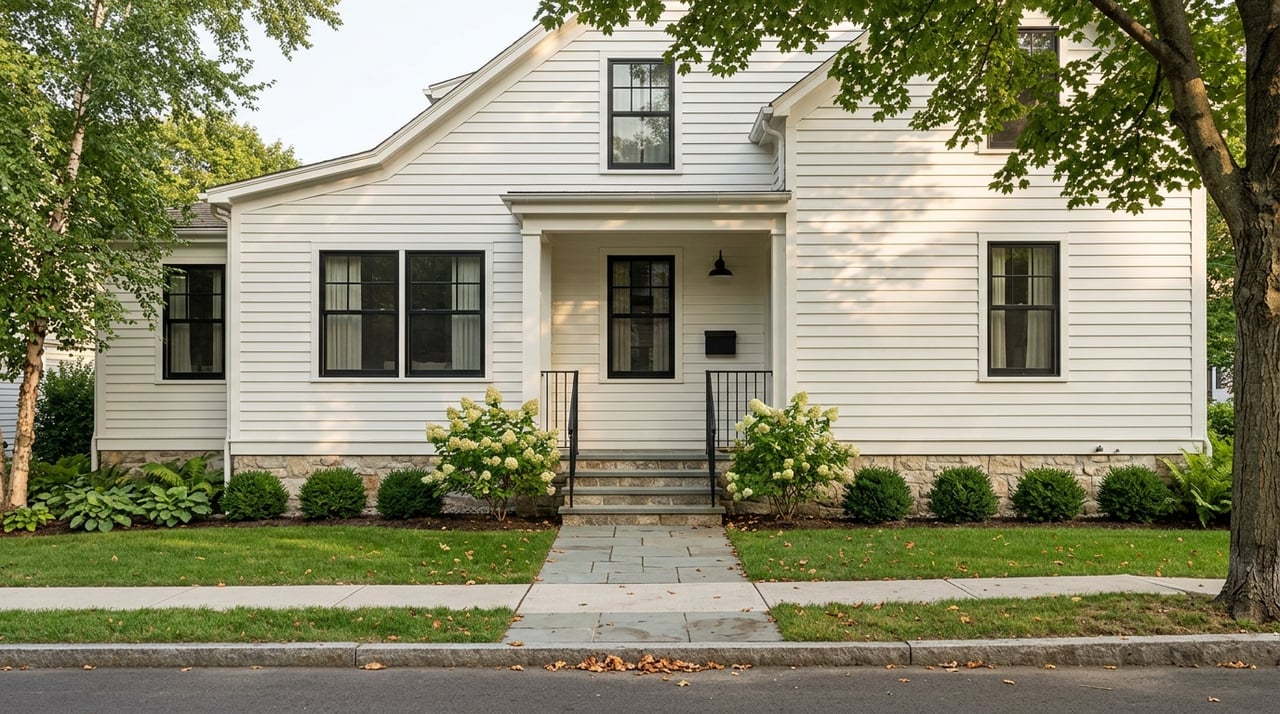
July 9, 2026
If you love the idea of stepping out your door and walking to coffee, dinner, errands, or a show, downtown Great Barrington can be very appealing. At the same time, buying in the center of town comes with practical trade-offs that are different from buying on a quieter road outside the village core. This guide will help you understand what downtown living really looks like, what kinds of homes you may find, and what to think through before you make a move. Let’s dive in.
Downtown Great Barrington is not an urban center in the big-city sense. Great Barrington has an estimated population of 7,239 as of July 1, 2025, and about 44.82 square miles of land, so the downtown area functions more like a compact village center.
The town master plan describes downtown as having small-town New England charm, a walkable scale, wide sidewalks, and period buildings. The official cultural district also points to a strong concentration of destinations, including more than 30 theater, dance, visual arts, historic, and heritage venues, along with culinary and retail spots.
For many buyers, that is the main draw. You are choosing convenience, character, and activity in one of the Berkshires' most recognizable town centers.
If you are picturing a neighborhood of newer subdivision homes, downtown Great Barrington will likely feel very different. Local zoning is set up to support mixed-use and in-town living, especially near Main Street and the surrounding core.
In the Downtown Mixed-Use B3 district, permitted uses are designed to support multi-unit residential and mixed-use buildings. These can include combinations of residences with offices, retail, service businesses, artisan food and beverage producers, restaurants, cafes, community uses, and municipal facilities.
The Village Center Housing Overlay District on Main Street is also aimed at mixed uses, pedestrian activity, historic preservation, economic revitalization, and mixed-use buildings. It allows mixed use and live/work units by right.
The Mixed Use Transitional district is meant to preserve and enhance the mix of residential and retail uses within walking distance of downtown. The town master plan also notes that in mixed-use corridors, older homes can support professional offices and multifamily apartments.
In practical terms, a downtown home search may include:
That housing mix can be a great fit if you value location and flexibility. It may be less ideal if you want a large yard, a traditional neighborhood layout, or more separation from downtown activity.
One of downtown Great Barrington’s biggest advantages is walkability. Depending on the property, you may be able to reach shops, cafes, the library, municipal services, and cultural venues without getting in the car.
That said, convenience usually comes with more visible street activity. Because Main Street is Route 7 and the downtown core is the town’s principal business and cultural center, you should expect more traffic and event-related activity than you would on the rural edges of town.
This does not mean every downtown block feels busy all the time. It does mean that if privacy, low traffic, and a quieter setting are top priorities for you, it is smart to compare the village center with properties just outside the core.
For many buyers, parking is the biggest practical issue to understand before buying downtown. The town’s master plan says parking has long been a downtown concern and estimates about 1,000 downtown parking spaces in total, including roughly 200 on-street spaces and 200 public off-street spaces.
The master plan also notes that much of the parking is behind buildings off Main Street. That setup can work well once you know the area, but it is different from having a wide private driveway or guaranteed curb access in front of your home.
The official downtown parking map shows a mix of:
If you are buying a downtown property, it is worth asking detailed questions about where you and your guests will park in everyday life. That is especially important if the home has limited on-site parking or if you expect frequent visitors.
Downtown activity can also spike during events. The town master plan says some Mahaiwe Theater events draw about 700 guests and can fill nearby lots.
If you love living near arts and culture, that may feel like part of the appeal. If you prefer a more predictable parking routine, it is something to weigh carefully.
Winter adds another layer of planning. The town’s winter parking notice states that overnight street parking is banned from 1 a.m. to 6 a.m. in winter.
The town has designated overnight parking in lots such as Town Hall, Top of Railroad Street, Castle Street, Mason Library, and the Housatonic Community Center. The town also asks residents and businesses to keep sidewalks clear during snow events, which is another small but important part of downtown ownership.
A downtown address can also mean more oversight when you want to change a property’s exterior. In the Downtown Business District, exterior changes and substantial structural changes are subject to Design Advisory Committee review.
In historic districts, exterior alterations that affect architectural features require a certificate of appropriateness, non-applicability, or hardship. The Building Department provides permitting services, zoning interpretation, inspections, and certification, with attention to Main Street, sidewalk signage, and vacant structures.
For buyers, the takeaway is simple. If you are considering updates, especially visible exterior work, do not assume the process will be the same as it would be in a less regulated area.
If you are serious about a downtown property, here are a few smart questions to raise early:
These questions can help you avoid surprises and better understand how the property fits your plans.
Downtown Great Barrington can be a strong match if you want to be close to daily conveniences and cultural destinations. It may especially appeal to buyers who enjoy a walkable setting and appreciate older buildings with character.
Based on local zoning and parking patterns, downtown is likely a better fit if you are comfortable with less predictable parking and more street activity. It may be a less natural fit if you prioritize larger yards, easier overnight parking, more privacy, or a quieter setting.
Neither choice is better in a general sense. It comes down to the kind of day-to-day life you want and how you expect to use the property.
If you are deciding between downtown and a property outside the center, compare them using the same few categories. That will usually give you a clearer answer than focusing on price or charm alone.
Think about:
A property can look perfect online and still feel wrong once you test the daily routine. In a village-center market like Great Barrington, that real-world comparison matters.
Downtown properties often come with more nuance than a typical house search. Zoning context, mixed-use history, parking patterns, and review requirements can all shape whether a specific home is the right fit for you.
That is where local experience matters. When you work with a brokerage that knows Berkshire County block by block, you can ask better questions, spot practical issues earlier, and make a decision with more confidence.
If you are considering a move in Great Barrington, Paula McLean Realtors offers the kind of hands-on local guidance that can make the process simpler, whether you are buying your full-time home or looking for a Berkshire retreat.
August 13, 2026
August 13, 2026
August 6, 2026
July 23, 2026
July 16, 2026
July 9, 2026
July 2, 2026
June 25, 2026
June 18, 2026
We hold our client's interest first and foremost, whether you are shopping for your first home, looking to downsize, seeking a larger home, or relocating. We are diligent, knowledgeable, proficient, and ready to help you with your next move!