Comparing Condos vs Single-Family Homes in Pittsfield
December 18, 2025
December 18, 2025
Torn between a downtown Pittsfield condo and a single-family home near Onota or Pontoosuc Lake? You are not alone. Each choice offers a distinct mix of costs, maintenance, amenities, and lifestyle. In this guide, you will learn how the two options compare in Pittsfield so you can match your budget and daily routine to the right home. Let’s dive in.
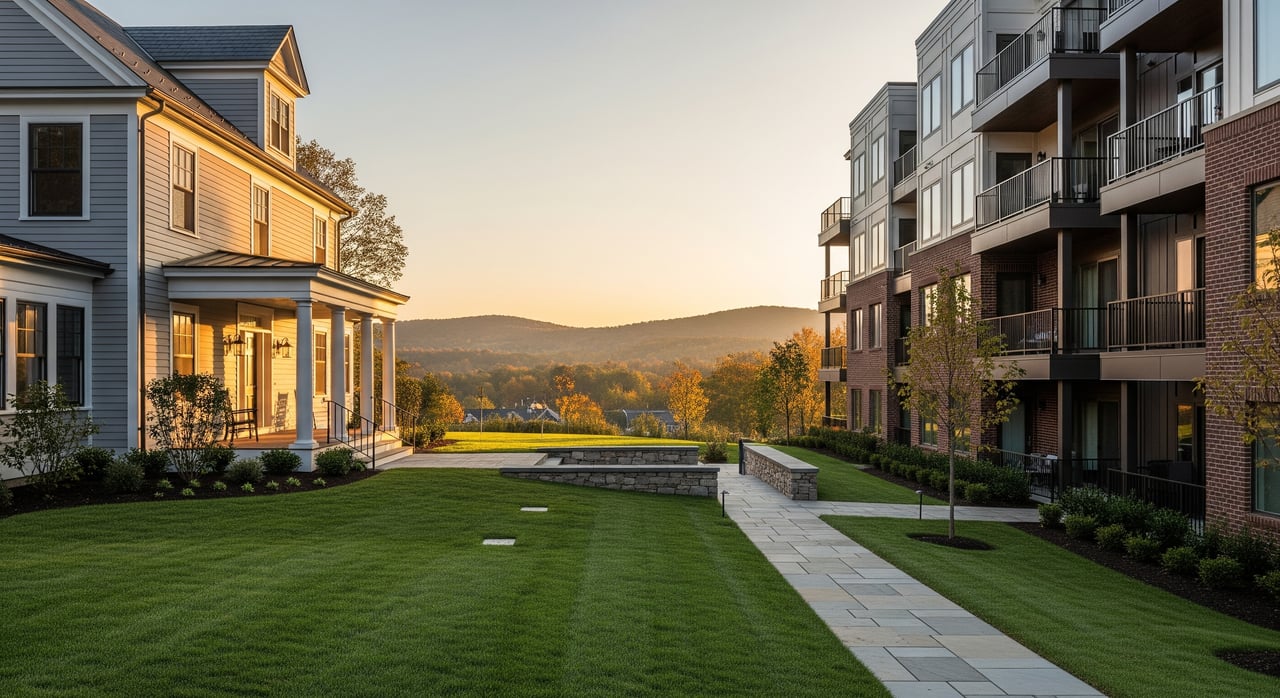
If you want walkability, a downtown Pittsfield condo can fit your life. You can be close to restaurants, shops, and cultural venues like museums and theaters, with less exterior upkeep. Many buyers are professionals, downsizers, or seasonal residents who value convenience and easier winter care.
You may find buildings with on-site parking, elevators, or secure entry, depending on the property. You will also want to weigh condo rules, monthly fees, and the possibility of noise or limited private outdoor space. In a smaller market, the pool of condo buyers can be narrower, which may influence resale timing.
If you want a yard, privacy, or easy access to recreation, a single-family home near Onota Lake, Pontoosuc Lake, or Pittsfield State Forest can be a great match. Families, outdoor enthusiasts, and long-term planners often prefer the space and flexibility these homes offer.
These properties can carry higher purchase prices, especially for waterfront or water-view lots. In return, you gain room for storage and gardening, plus the potential for appreciation on desirable lake or park-adjacent parcels. Be ready for more maintenance, seasonal tasks, and location-specific rules.
Condos downtown often have a lower entry price than single-family homes, which can help first-time buyers or those with tighter budgets. Lake and park homes typically command higher prices, especially with waterfront or larger lots. A seasonal or lakefront premium is common in Pittsfield.
In Massachusetts, property taxes are based on assessed value. Condos and single-family homes are both taxed on their assessed portions, so be sure to review the current assessment and rate with the Pittsfield Assessor’s Office. Any planned assessments or improvements can affect future taxes.
Condo HOA dues vary by building. They often cover exterior maintenance, snow removal, landscaping, common-area utilities, and the building’s master insurance. Some buildings include water, sewer, or heat. Always verify the budget, reserves, past special assessments, owner-occupancy levels, and any rental restrictions.
For single-family homes, you do not have an HOA fee, but you cover all upkeep and services yourself. If the home sits on a private road, ask about shared road or snow removal agreements.
Condo owners usually carry an HO-6 policy to cover interior improvements and liability, while the association’s master policy covers the exterior and structure. Single-family owners carry a full dwelling policy (often HO-3), which typically costs more because you insure the entire building.
If the home is in a flood zone or near shorelines, you may need flood insurance. That can raise premiums, so confirm your floodplain status early.
Condo dues may cover some utilities. That can make monthly costs more predictable. In a single-family home, you pay all utilities directly, such as heating fuel, electricity, water if metered, and trash. Seasonal swings matter in Western Massachusetts, especially for winter heating.
Single-family owners take on the roof, siding, driveway, lawn, snow removal, and septic or sewer. Experts often suggest planning an annual maintenance budget, plus a cushion for larger items like roof replacement or HVAC.
Condo owners focus on interiors. The association handles building exterior and common areas, but you share the risk of special assessments if reserves are not adequate or major repairs are needed. Review the reserve study and meeting minutes to understand what is coming.
A downtown condo offers everyday convenience. You can stroll to dining, arts, and services, and skip much of the exterior upkeep. A lake or park home delivers the opposite benefit: privacy, a yard, and direct access to nature and water.
Many condos offer assigned or on-site parking, sometimes with guest policies. Storage may be limited to a closet or small locker. Single-family homes usually provide more storage and often a garage or shed, which suits outdoor gear and seasonal items.
A single-family home offers more privacy and separation. Condos share walls and common areas, which can mean some noise and building rules. Ask about building soundproofing, quiet hours, and any updated windows or systems.
Lenders want to see healthy HOA financials, a sound budget, and adequate reserves. They also check owner-occupancy levels, master insurance, and whether there is any litigation or major pending repairs. Some FHA or VA loans require the condo project to be on an approved list. In smaller markets, not all projects are approved, which can limit financing options.
Most standard mortgage rules apply. With lake or park-area properties, you may face extra steps, like septic inspections, water testing if there is a well, and confirmation of flood zone status. Title V compliance is a Massachusetts requirement for many properties with septic systems at the time of sale.
For condos, the unit inspection should cover interior systems, windows, appliances, and any limited common elements. Also review the association’s reserve study, bylaws, budget, and meeting minutes for the last 1 to 2 years.
For lake or park-adjacent homes, request a full home inspection plus specialized inspections as needed. That can include septic evaluation and Title V, well water tests, shoreline or erosion concerns, and checks for lead paint in older homes. Confirm conservation or wetlands rules that may affect future projects.
Before you bank on rental income or plan a dock, confirm Pittsfield zoning, short-term rental rules, and setbacks near lakes and wetlands. Conservation and floodplain regulations can shape how you use and improve a property near the water.
Downtown condos in smaller markets can have a more limited buyer pool. Demand from investors, seasonal owners, and downsizers can shift with the season or economy. Building condition, elevator access, and parking all influence resale times.
Waterfront or near-lake homes often command a premium, with strong appeal in spring and summer. The buyer pool can still be seasonal and more niche. Location, shoreline rights, and compliance with septic or conservation rules can all affect marketability.
You deserve a clear path to the right home in Pittsfield. With deep Berkshire County roots and hands-on guidance, you can weigh a low-maintenance downtown condo against a yard-and-lake lifestyle without guesswork. We help you review HOA health, Title V and shoreline issues, inspection needs, and total monthly costs so your decision is confident and informed.
If you want a boutique, owner-led partner who knows the lakefronts, downtown buildings, and seasonal rhythms of the Berkshires, we are here to help. From curated showings to coordinated inspections and a smooth closing, you will have steady support at every step. Ready to compare your options side by side? Make one call and connect with Paula McLean Realtors.
July 23, 2026
July 16, 2026
July 9, 2026
July 2, 2026
June 25, 2026
June 18, 2026
June 11, 2026
June 4, 2026
May 28, 2026
We hold our client's interest first and foremost, whether you are shopping for your first home, looking to downsize, seeking a larger home, or relocating. We are diligent, knowledgeable, proficient, and ready to help you with your next move!