Step-by-Step Guide to Selling a Home in Lenox
February 19, 2026
February 19, 2026
Thinking about selling your Lenox home this year? A smart plan can make the difference between a smooth sale and a stressful one. You want a clear timeline, a pricing strategy that fits our seasonal market, and a checklist that covers Massachusetts rules before they slow you down. This step-by-step guide gives you a Lenox-specific plan from prep to close, so you know what to do and when to do it. Let’s dive in.
Public data sources show different snapshots, so it helps to focus on one set of numbers and note the date. As of December 2025, some portals showed Lenox with a median sale price near the high end and a relatively brisk pace, while others reported lower median prices and longer days on market. Zillow’s home-value index placed the typical home value around the mid-$500,000s as of January 31, 2026. These sources use different methods, which explains the gap.
For decisions that affect your bottom line, anchor your strategy to a current CMA from the Berkshire MLS and your agent’s recent closed sales in your micro-neighborhood. County reporting shows that inventory and absorption can shift by season and price tier, with mixed results across central and southern Berkshire in 2025. You can review broader county trends in the Berkshire County Market Watch and note the publication date for context. See the Berkshire County market watch summary.
Use this simple roadmap to stay on track. Adjust the pace based on your home’s condition and your target launch date.
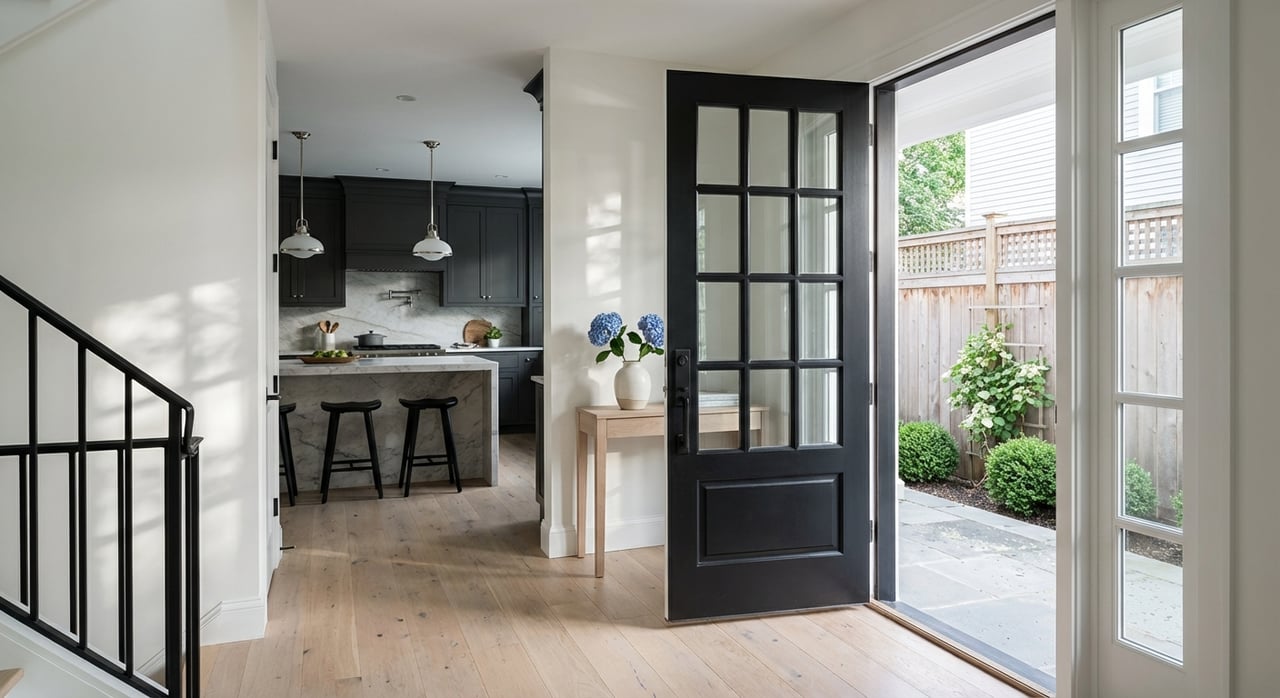
A light, fresh look helps buyers focus on space and character. Declutter, edit furniture, and touch up paint in neutral tones. Update dated lighting and swap tired cabinet hardware. These small steps often pay off in photos and showings.
Professional staging and styling tend to reduce time on market and can support stronger offers. Many sellers invest roughly 0.5 to 1.5 percent of their list price on consultation, targeted updates, and photography, with more for vacant or luxury listings. Focus first on the living room, kitchen, and primary bedroom, since buyers spend the most time there. See an overview of common staging benefits and costs. You can also review a summary of which rooms matter most to buyers. Explore staging statistics by room and impact.
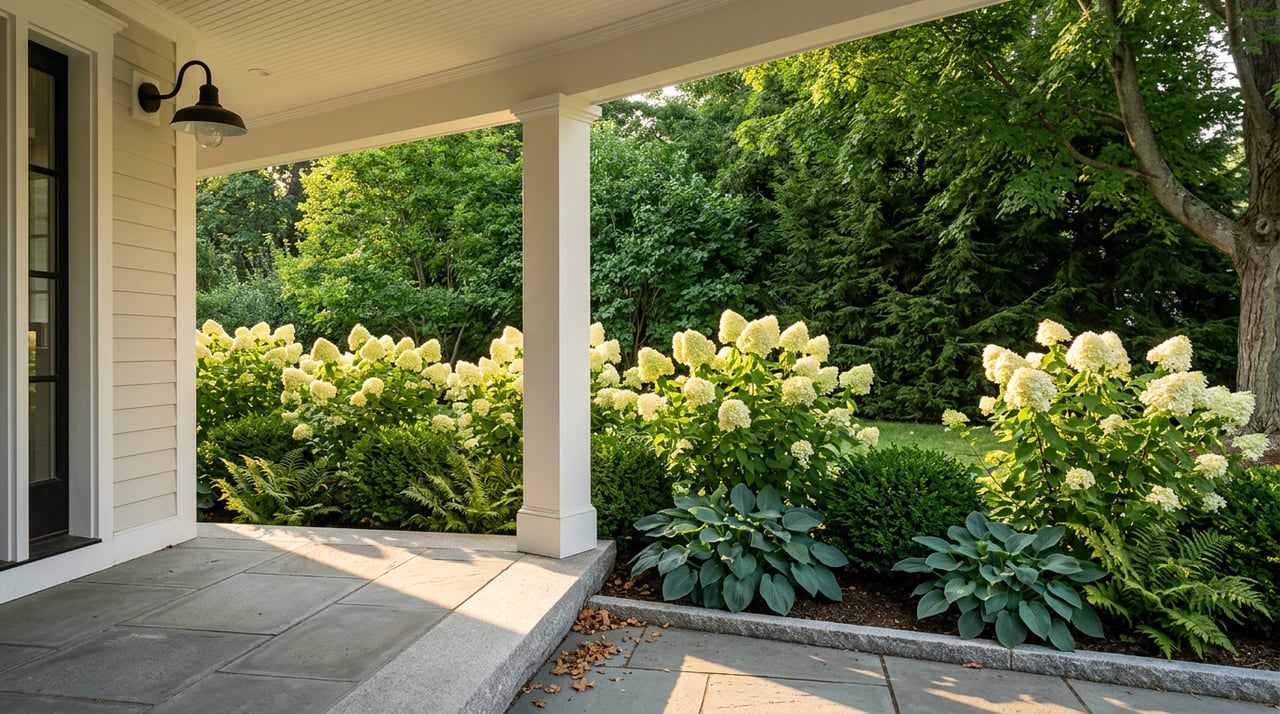
Lenox buyers value outdoor spaces, from stone terraces and decks to quiet lawns and garden views. The summer arts season pulls many visitors, including second-home prospects, into the area. Highlight patios, lawns, and privacy in your photos, and schedule shoots when the landscaping looks its best. Read about Tanglewood’s regional economic impact.
Many Lenox homes have classic New England character. Let original hardwoods, fireplaces, and millwork shine with neutral, uncluttered styling. Avoid heavy remodeling right before listing unless you are correcting a clear objection. In most cases, simple refreshes deliver better returns than big projects.
Ask your agent for a CMA grounded in the Berkshire MLS that uses closed sales from the last 90 days whenever possible. Note the date of the analysis and any significant differences among active, pending, and sold properties. For market color beyond your street, you can also review county reporting to understand inventory and absorption trends. See county-level market watch context.
If your home sits in a low-inventory pocket, a slightly conservative list price can spark multiple tours quickly. If supply is deeper, price near the top of the market for comparable condition and location. Recent public snapshots suggested some Lenox listings closed slightly under asking late in 2025, so align your target with current days-on-market and list-to-sale trends in your CMA.
Because the cultural calendar brings strong seasonal traffic, many sellers plan for a spring launch to capture both local movers and second-home interest. Align your marketing with the Tanglewood season for maximum reach. Regional reporting on tourism supports this strategy for the Berkshires. See local context on tourism and timing. Always confirm month-by-month conditions with current MLS data before you pick a date. Check current county trends before scheduling.
If your property is not on town sewer, Massachusetts generally requires a Title 5 septic inspection when you transfer the property. Inspections are valid for two years in most cases, or three years with annual pumping records. Weather can delay inspections, and a conditional pass can affect timelines and negotiations. Plan early. Learn how Title 5 works for sellers.
Federal and state rules require you to disclose known lead-based paint information for homes built before 1978 and provide any records you have. Massachusetts enforces additional protections for children under six. Build time into your plan to gather paperwork and discuss buyer contingencies. See an overview of Massachusetts lead rules and response.
Most one- and two-family home sales require a smoke and CO alarm inspection by the local fire department and a Certificate of Compliance before closing. Requirements vary by detector age and placement, so verify details and schedule the inspection close to your closing date. Missing this step can delay funding. Follow the state’s smoke and CO guidance.
Massachusetts collects a deed excise tax at recording, and local jurisdictions may have additional fees. Your closing attorney or title company will calculate these charges and list them on your closing statement. Here is a general reference to state customs.
Typical seller-side closing items include brokerage commissions, attorney and title fees, deed excise and recording charges, payoff of any mortgages or liens, prorated property taxes, and agreed credits or repairs. Exact amounts will depend on your contract and title quote.
Create simple, written showing instructions. If the home will be vacant, a secure lockbox and trusted agent access make scheduling easy. For second-home or absentee sellers, line up snow removal, lawn care, and regular property checks so the home always presents well.
Help buyers move fast by preparing a packet that includes your Title 5 report if applicable, lead documents for pre-1978 homes, a smoke and CO plan, recent utility summaries, and any repair receipts. Clear information often shortens contingency periods and reduces back-and-forth.
The smoke and CO certificate is required at closing in most cases. Put it on your calendar as soon as you are under contract, and confirm device age, placement, and power source rules with the latest state checklist. Use the state’s smoke and CO prep guide.
To sketch a simple estimate, start with your expected sale price. Subtract your mortgage payoff, agreed commissions, staging and prep costs, attorney and title fees, and deed excise and recording fees. Then account for prorated property taxes based on the closing date.
For local context, Lenox’s residential property tax rate has been listed at $9.85 per $1,000 of assessed value in recent compilations. Rates update annually, so use your most recent assessment and verify the current town rate to estimate prorations accurately. Review the Berkshire County property tax rate list.
Ready to start planning your sale with a local, design-forward approach and hands-on guidance from listing to close? Make one call and speak with the team at Paula McLean Realtors. We will help you time the market, present beautifully, and navigate every Massachusetts requirement with confidence.

July 23, 2026
July 16, 2026
July 9, 2026
July 2, 2026
June 25, 2026
June 18, 2026
June 11, 2026

June 4, 2026
May 28, 2026
We hold our client's interest first and foremost, whether you are shopping for your first home, looking to downsize, seeking a larger home, or relocating. We are diligent, knowledgeable, proficient, and ready to help you with your next move!