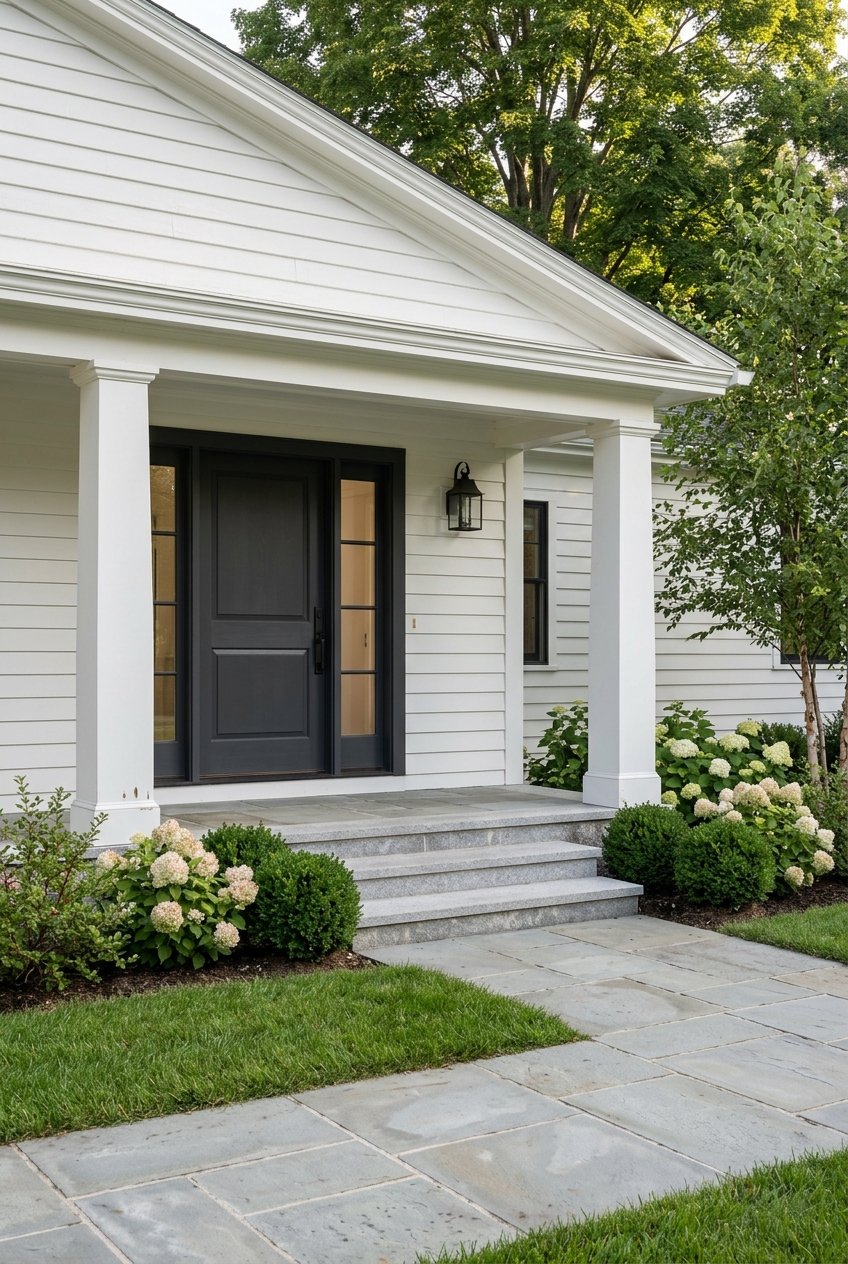
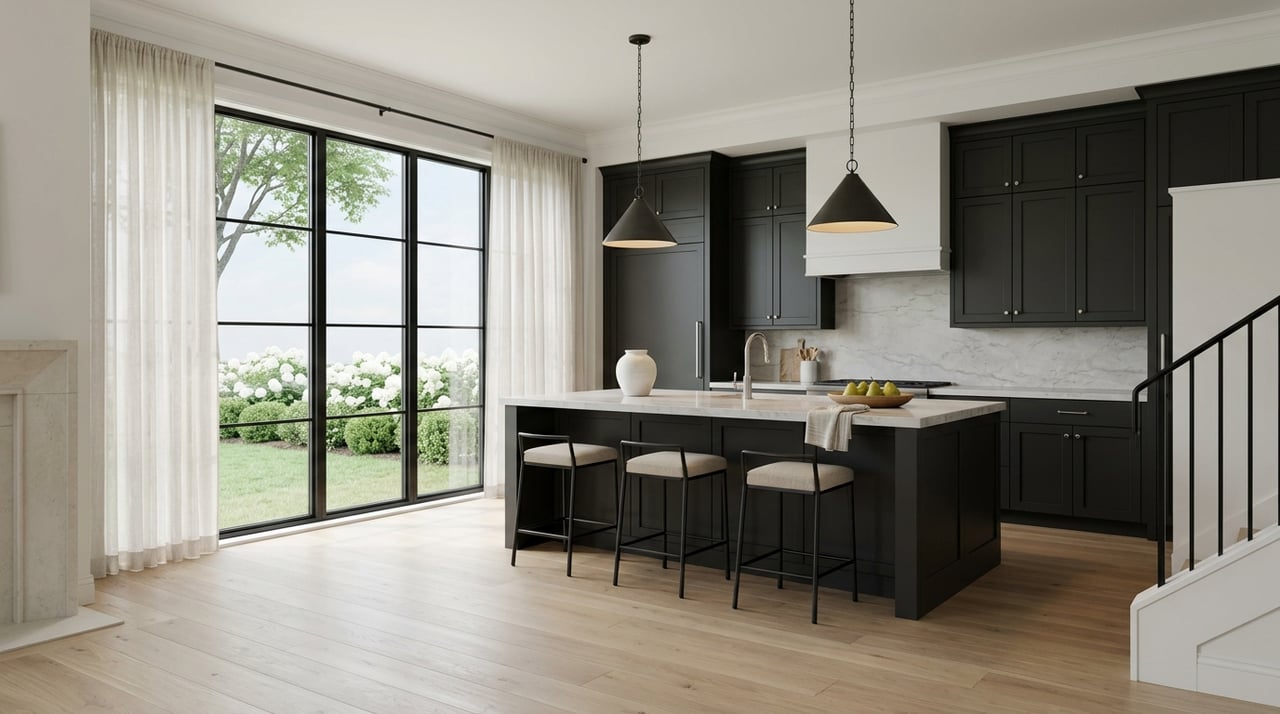
Is your historic Stockbridge home charming but a bit behind on today’s buyer expectations? You’re not alone. Many Berkshire County sellers want to boost value without erasing the original character that makes these properties special. In this guide, you’ll learn preservation-smart updates that brighten first impressions, ease buyer concerns, and support a stronger sale price while honoring your home’s story. Let’s dive in.
What Stockbridge buyers want
Buyers are drawn to original details like wood floors, moldings, staircases, sash windows, and fireplaces. They also expect modern comforts such as refreshed kitchens and baths, solid mechanical systems, and reasonable energy performance. Your goal is to keep the features that define the home’s look and feel while making targeted updates that reduce renovation anxiety.
In heritage-minded markets like the Berkshires, well-preserved homes often earn more attention than generic renovations. That premium depends on condition, functionality, and curb appeal. Visible deferred maintenance or mismatched, non-historic alterations can hurt interest. A thoughtful plan helps you protect character and present a move-in-ready feel.
Preservation-first game plan
Respect for your home’s period is the foundation. Use these principles to guide decisions:
- Identify character-defining features. Protect elements that tell the home’s story, such as window patterns, porch details, and interior trim.
- Repair rather than replace. Original wood windows, doors, and moldings are often repairable, which is both appropriate and cost-effective.
- Favor reversible updates. Choose changes you can undo, like interior storms instead of new windows, or cabinet refacing instead of gutting.
- Match materials and scale. When replacement is needed, keep profiles, finishes, and proportions period-appropriate.
- Conceal modern systems sensitively. Plan routes for wiring, plumbing, and HVAC that avoid cutting original finishes.
High-impact updates that respect history
Lighting that lifts every room
Updated lighting brings warmth and coherence.
- Replace dim, mismatched fixtures with a consistent, period-sympathetic palette.
- Use warm-white LED bulbs to increase brightness and reduce heat.
- Add sconces or pendants in key rooms and attractive porch lights for evening showings.
- If wiring needs attention, route lines in attics or closets to protect trim and plaster.
Fresh paint that highlights details
A quality paint job signals care and makes photos pop.
- Repair wood and address any rot before painting. Preparation is everything.
- Choose colors that suit the home’s era while keeping interiors broadly appealing. Neutrals work well in main living areas.
- For exteriors, accentuate moldings and cornices with subtle contrast rather than high-contrast novelty schemes.
Hardware and small millwork upgrades
These quick wins add polish on a budget.
- Preserve original hardware where possible. Clean, polish, or re-plate to extend life.
- If replacing, choose historically sympathetic finishes like antique brass, oil-rubbed bronze, or polished nickel.
- Update cabinet pulls and switch plates for cohesion throughout the home.
Minor kitchen refreshes with major appeal
You don’t need a full gut to impress.
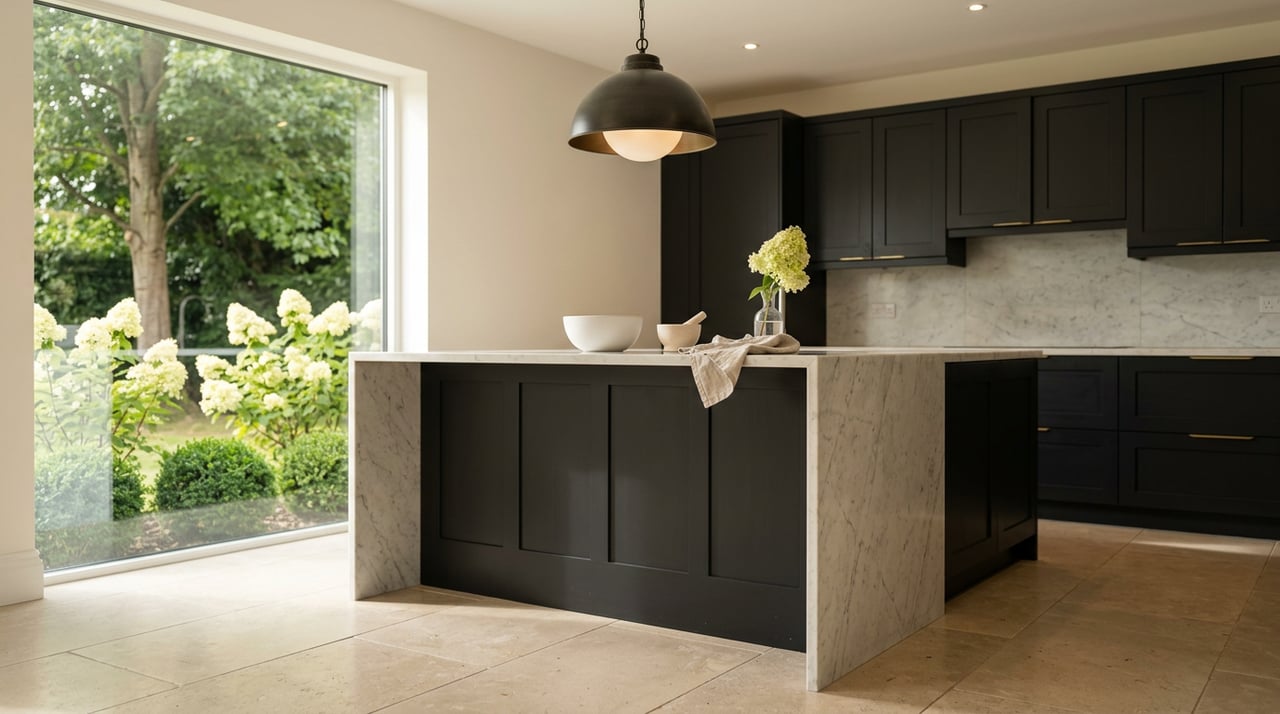
- Refinish or reface existing cabinets to keep original character while refreshing the look.
- Install durable, neutral countertops and a simple backsplash that won’t date quickly.
- Upgrade lighting and consider energy-efficient appliances with a classic look.
- Keep built-ins and distinctive trim. If you’re considering layout changes, review structural and historic impacts first.
Bathroom refreshes that feel clean and current
Buyers want bright, tidy baths without looming renovation costs.
- Reglaze original tubs and re-grout tile where feasible to retain period charm.
- Replace tired vanities and fixtures with styles that nod to the home’s era.
- Improve ventilation to protect finishes and prevent moisture issues.
Windows and energy efficiency without compromise
Comfort matters, but so does authenticity.
- Repair wood sashes, re-glaze, and weather-strip before considering replacement.
- Add exterior or interior storm windows to boost performance while preserving profiles and muntin patterns.
- Improve attic and basement insulation for meaningful gains with minimal impact on historic fabric.
- Explore available energy-efficiency incentives and credits for items like insulation and high-efficiency HVAC.
Curb appeal and landscape tune-ups
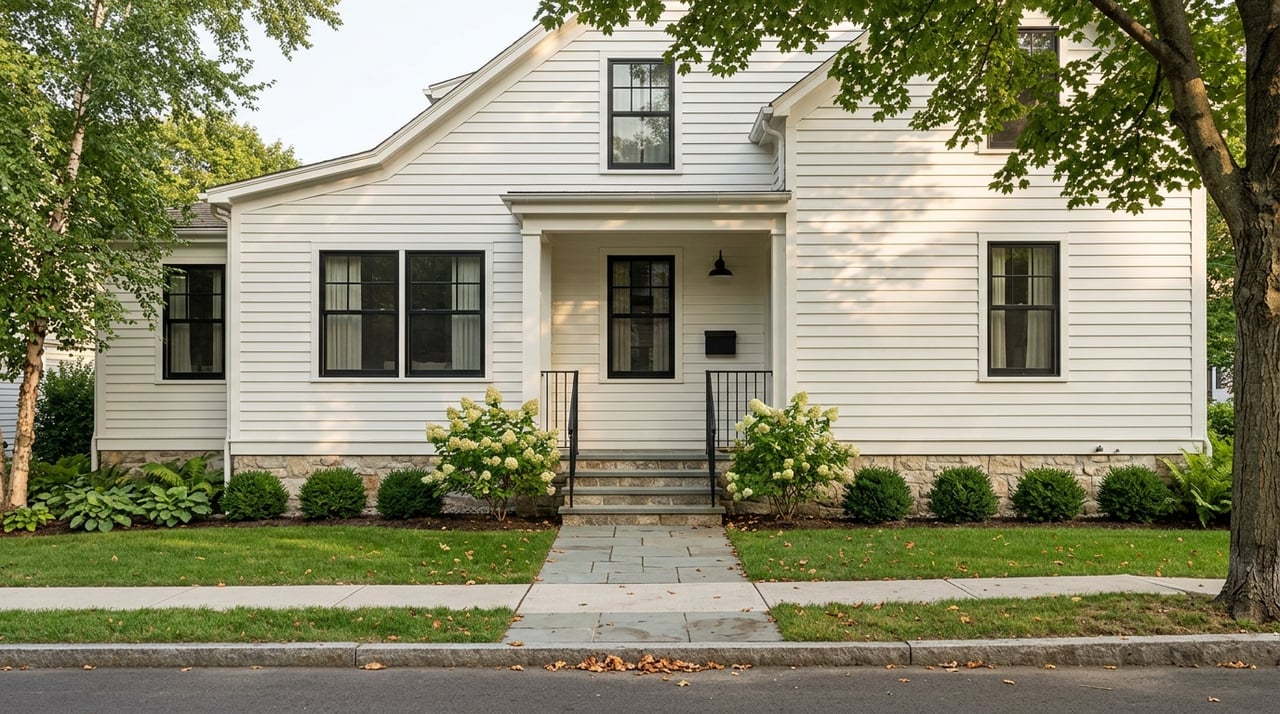
First impressions drive showings and online clicks.
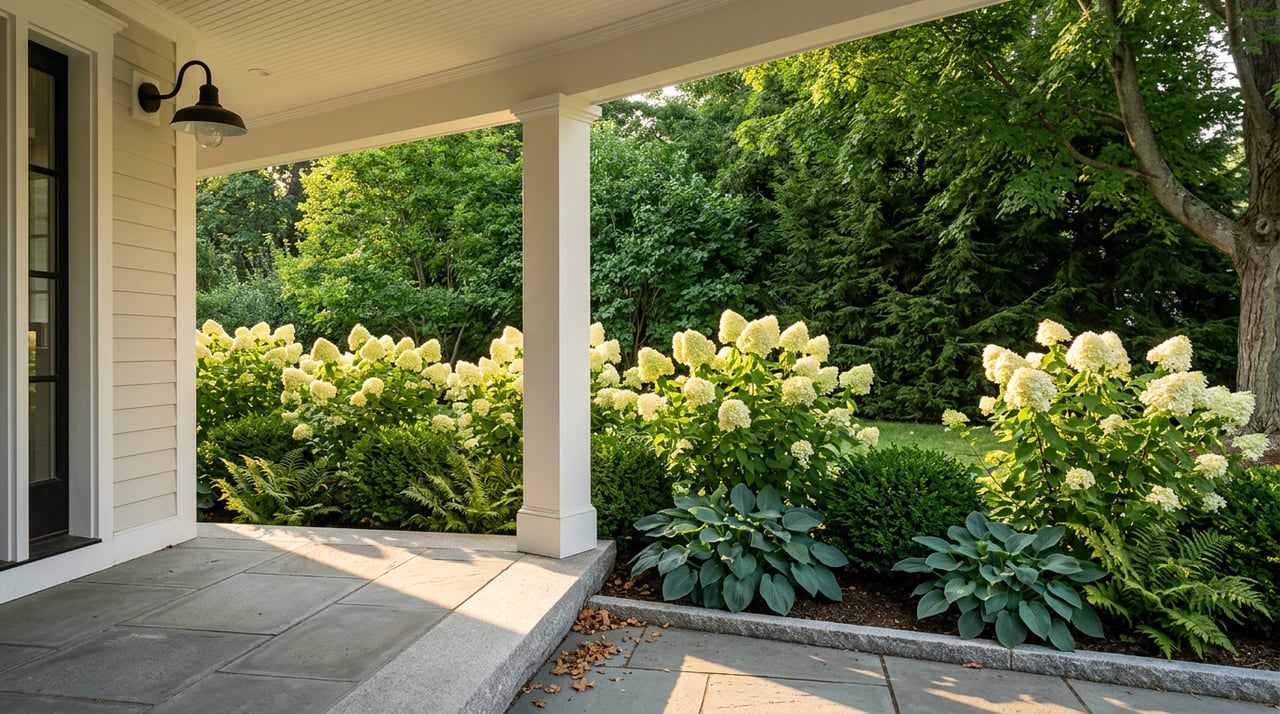
- Power-wash or repaint porch elements, repair steps, and replace rotted boards.
- Preserve stone walls, historic walkways, and mature plantings wherever possible.
- Tidy beds, trim shrubs, and add seasonal container plantings. Update mailbox and house numbers with period-appropriate styles.
- Confirm grading moves water away from the foundation.
Staging, photography, and presentation
Presentation amplifies everything you’ve done.
- Declutter and depersonalize. Arrange furniture to reveal fireplaces, moldings, and window symmetry.
- Use light, neutral linens and rugs to balance rich wood tones.
- Hire a photographer experienced with older homes. Prioritize natural light, twilight exteriors, and crisp detail shots.
Permits, reviews, and incentives in Stockbridge
Before starting exterior work, confirm whether your home is in a local or National Register historic district. Some changes, including siding, windows, porches, and occasionally exterior colors, may require local review or a Certificate of Appropriateness.
- Contact the Town of Stockbridge building department and any local historic or historic district commission early in planning.
- Review property information through state resources to understand designation status and local context.
- Electrical, plumbing, and structural work usually requires permits and inspections. Clarify thresholds with the building inspector.
- Explore energy-efficiency incentives that may apply to insulation, heat pumps, and high-efficiency systems.
- Be aware that federal historic tax credits generally apply to income-producing properties, not owner-occupied single-family homes.
Keep permits, plans, and approvals organized. Buyers value documented, code-compliant work.
Budgeting and timing for a smooth sale
Prioritize your efforts to control cost and maximize impact.
- Start with safety and maintenance: leaks, rot, faulty wiring, and peeling paint that exposes wood.
- Move to visible, moderate updates: fresh paint, porch repairs, lighting, hardware, deep cleaning, and staging.
- Then address comfort: targeted HVAC improvements and insulation.
- Finish with kitchen and bath refreshes that deliver strong perceived value.
Get at least three bids per trade and maintain a contingency reserve of 10 to 20 percent for hidden conditions common in older homes. Plan exterior work for New England’s warmer months and build in time for any local historic review. Schedule professional photography right after visible updates for maximum impact.
Working with the right contractors
Historic homes reward experience.
- Ask for references and photos of comparable projects.
- Discuss methods for preserving plaster, trim, and original windows.
- Confirm that subcontractors understand older framing, lath, and appropriate repair techniques.
- Align on dust control, protection of finishes, and how changes will be documented.
Ready to list with confidence
A preservation-minded refresh can protect your Stockbridge home’s soul while giving buyers the comfort and clarity they need to act. By focusing on repair-first solutions, cohesive finishes, and standout presentation, you’ll position your property for a better market response and a smoother transaction.
If you’re weighing which updates will deliver the most value for your specific home, let a local expert guide you from plan to polished listing. Make one call and connect with Paula McLean Realtors for design-smart advice, staging, and concierge-level listing management.
FAQs
What value-adding updates fit a historic Stockbridge home?
- Focus on repair-first work, cohesive lighting, neutral paint, period-sympathetic hardware, minor kitchen and bath refreshes, window repair with storms, and sharp curb appeal.
Do I need approval for exterior changes in Stockbridge?
- If your home is in a local or National Register district, some exterior work may require review. Contact the Town of Stockbridge building department and local historic commission before starting.
Should I replace my original wood windows?
- Often no. Many historic windows can be repaired, weather-stripped, and paired with storms to improve efficiency while keeping authentic profiles and craftsmanship.
What energy upgrades make sense without harming character?
- Prioritize attic and basement insulation, weather-stripping, storm windows, and efficient HVAC. These yield comfort gains with minimal visible impact.
How can I update a historic kitchen without losing character?
- Reface or refinish cabinets, choose neutral countertops, add simple backsplashes, upgrade lighting and appliances, and keep built-ins or distinctive trim intact.
What should I budget for hidden conditions in an old house?
- Keep a contingency reserve of 10 to 20 percent to address surprises like concealed rot, outdated wiring, or plaster repairs common in older homes.