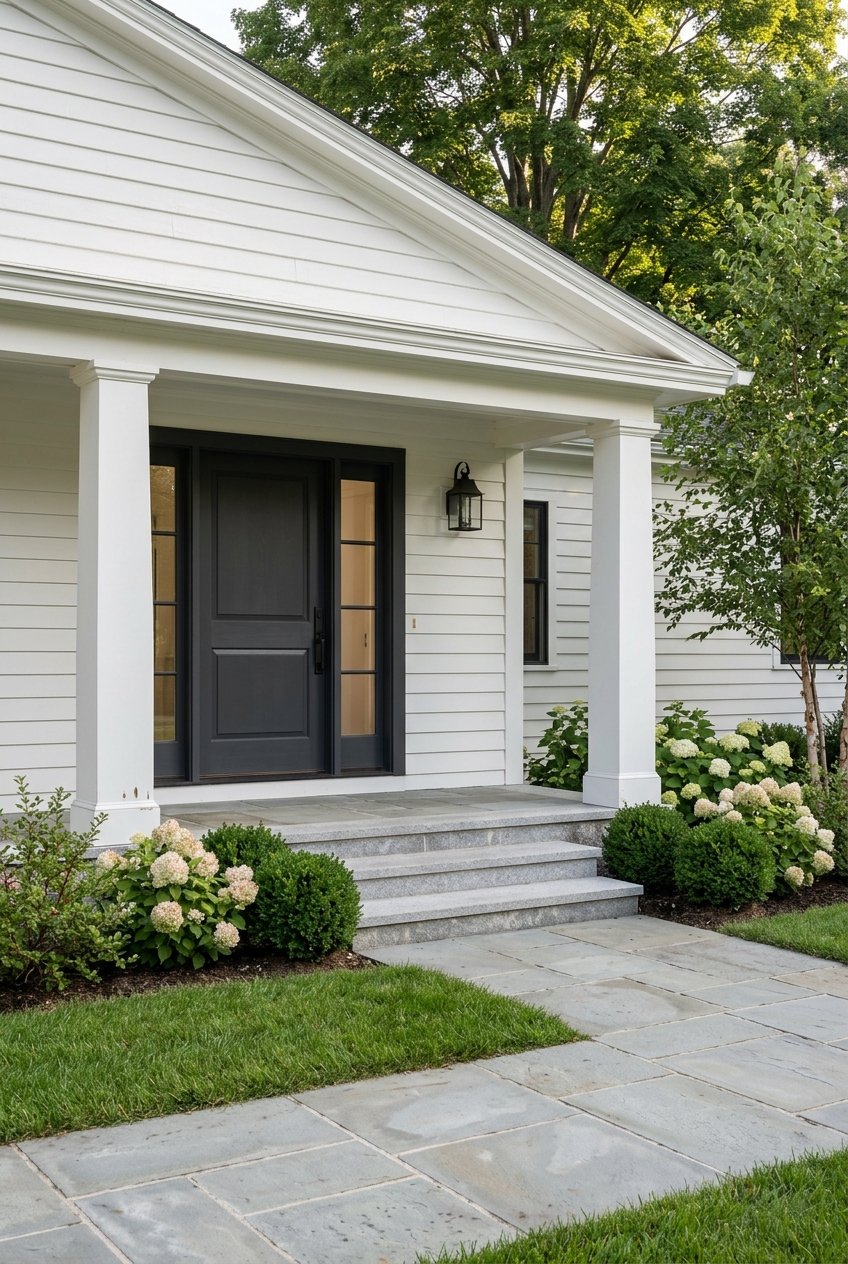
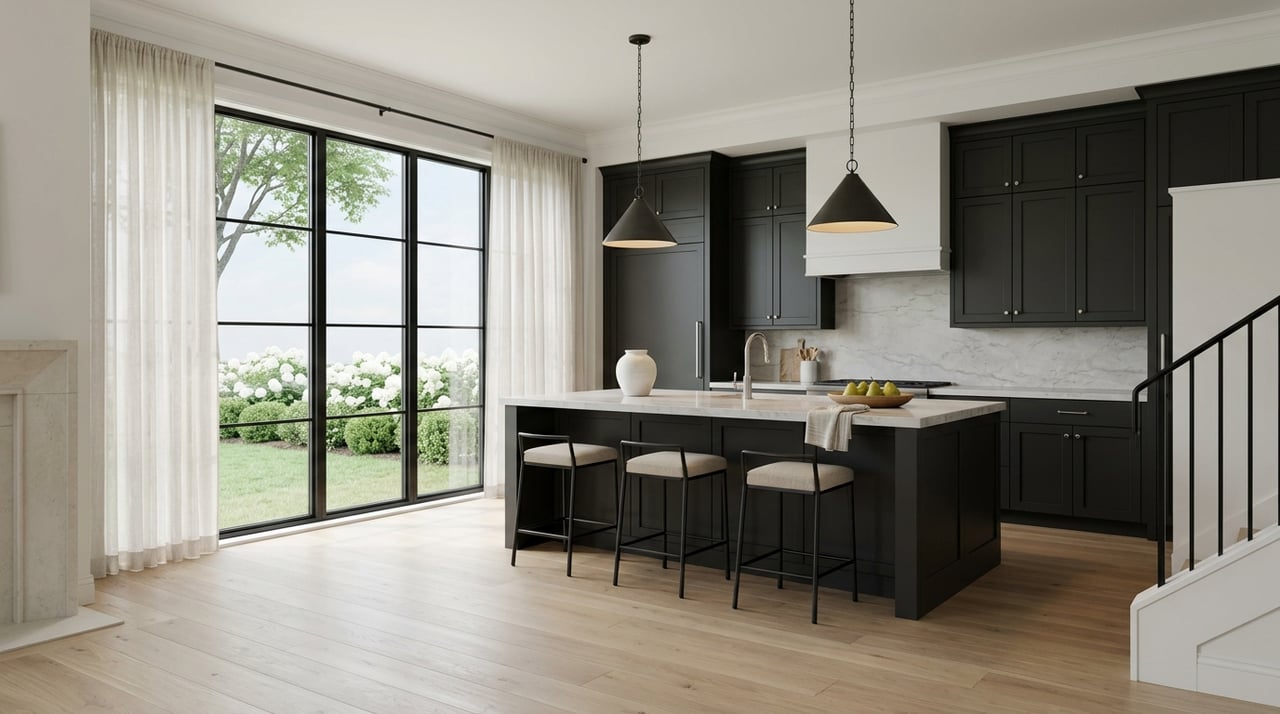
Dreaming of a weekend base in Great Barrington but not sure how to finance it? You are not alone. Second-home mortgages follow different rules than primary residences, and understanding those differences can save you time, money, and stress. In this guide, you will learn what counts as a second home, how lenders evaluate these loans, typical down payments and reserves, Berkshires-specific items to watch, and how to compare lenders with confidence. Let’s dive in.
What counts as a second home
A second home is a property you plan to use for your own personal use while keeping your primary residence elsewhere. It should be suitable for year-round occupancy and reasonably accessible. If the property is primarily used to generate rental income, lenders often classify it as an investment property, which comes with stricter terms.
Conventional conforming loans are the most common route for second homes. FHA and VA programs are generally intended for primary residences, so they typically are not available for second-home purchases. If your price point exceeds conforming limits, jumbo and portfolio lenders can offer alternatives.
How second-home loans differ
Second-home loans usually sit between primary-residence and investment-property loans in terms of requirements and pricing. You can expect slightly higher rates than a primary residence and tighter underwriting in a few areas.
- Down payment: Often 10 to 20 percent for well-qualified borrowers on conforming loans, with some programs allowing as little as 10 percent down. Jumbo loans may require 20 to 30 percent or more.
- Interest rates: Typically a modest premium over primary-residence rates. The exact spread varies by lender and market conditions.
- Cash reserves: Lenders commonly want several months of payments left in the bank after closing. Plan for about 6 to 12 months of PITI, depending on your profile and other properties.
- Debt-to-income: Many lenders target a maximum of 43 to 50 percent, with preferences toward the lower end for second homes.
What lenders verify and the documents you need
You will provide much of the same documentation as you would for a primary home, but reviewers may look more closely at your existing obligations and assets.
- Income and identity: Recent pay stubs, W‑2s or 1099s, two years of tax returns if self-employed, and government ID.
- Assets: Recent bank and investment statements that show funds for the down payment, closing costs, and reserves. Large deposits often need a paper trail.
- Housing history: Current mortgage statements for your primary home and proof of timely payments.
- Property review: An appraisal to confirm value, plus attention to access and habitability. Lenders check for year-round access, heat, water, and utilities.
- Occupancy: An occupancy affidavit confirming the home is for your personal use as a second home, not primarily for rental income.
- Gift funds: Often allowed, but many lenders require a minimum borrower contribution and full documentation of the gift.
Typical terms, costs, and PMI
- Down payment: Expect 10 to 20 percent on conforming second-home loans if you have strong credit and income. Jumbo or niche properties may require more.
- Rates: A modest increase over primary-residence rates is common. Shop multiple quotes to see current spreads.
- Reserves: Plan for 6 to 12 months of PITI remaining after closing. If you own other properties, you may need more.
- PMI: Private mortgage insurance applies if you put less than 20 percent down on a conventional loan. Some lenders require higher down payments on second homes to avoid PMI.
- Closing costs: Similar to primary purchases, but budget for potential higher insurance premiums if the property is older, remote, or near water.
Berkshires factors that can affect financing
Great Barrington and the surrounding Berkshire towns offer a mix of historic homes, cottages, and newer retreats. That variety is part of the charm, but it can influence financing and insurance.
- Septic and wells: Expect thorough inspections and proof of condition that aligns with local health codes. A failed system can delay closing until corrected.
- Road access: Year-round access matters. Private roads and limited plowing can affect underwriting, insurance, and valuation.
- Historic and older homes: Insurers may require updates for electrical, heat, or roof before issuing a policy. Lenders will look closely at habitability.
- Flood zones: Review flood maps if the property sits near rivers or low-lying areas. Flood insurance can be required and affects monthly costs.
- Short-term rentals: If you plan to rent occasionally, disclose it to your lender early. Frequent or primary rental use can reclassify the loan to an investment loan. Also check Great Barrington’s zoning, registration, and tax rules for rentals.
- Property taxes and assessments: Town-specific tax rates feed into your monthly PITI and reserve requirements. The Town of Great Barrington assessor’s office is a good resource as you compare options.
Planning for appraisal and comps
Appraisers in seasonal markets need to account for limited comparable sales and seasonal timing. In Great Barrington, comparable sales sometimes include nearby towns or off-season transactions. Choose a lender who works with appraisers who understand the Berkshires so your property’s value is evaluated with local context.
Choosing a lender with local know-how
You have several lender types to consider, and local familiarity can make a real difference.
- Large national banks: Wide product menus and predictable processes, though timelines and overlays can be stricter.
- Regional banks and community lenders: Local familiarity with private roads, septic, wells, and historic properties often helps underwriters navigate unique situations.
- Mortgage brokers: Can shop multiple wholesale lenders for second-home and jumbo programs.
- Portfolio lenders: Keep loans in-house and may customize terms for nonstandard properties or income profiles.
Smart questions to ask lenders
- Do you finance second homes in Berkshire County, and have you recently underwritten historic or rural properties?
- What down payment, rate differences, and reserve requirements do you use for second homes versus primary homes?
- Will occasional short-term rental use be allowed, and how would that affect eligibility?
- What documentation do you require for gift funds and large deposits? How long must assets be seasoned?
- Do you offer jumbo, portfolio, or adjustable programs suitable for second homes? What is the typical timeline from preapproval to closing here?
Red flags to avoid
- Vague or inconsistent answers about occupancy and rental rules.
- Appraisers without Berkshires experience or a plan for seasonal comps.
- Insurance quotes that are unusually high or hard to obtain for the property type.
A simple step-by-step plan
Follow this roadmap to stay ahead of surprises and move from preapproval to keys with confidence.
Step 1: Get preapproved with reserves
Ask for a second-home preapproval that spells out down payment, reserve requirements, and how the lender treats any planned occasional rentals. Gather two years of tax returns, 30 days of pay stubs, and recent bank and investment statements.
Step 2: Shop with property realities in mind
As you tour Great Barrington homes, note access, heating systems, age of roof and electrical, and whether the home has a well or septic. These details influence financing, insurance, and timelines.
Step 3: Write a strong offer
Include your preapproval and plan for shorter contingency windows when possible. Discuss appraisal strategy with your agent, especially if comps are thin or seasonal.
Step 4: Order inspections and insurance early
Schedule a full home inspection plus septic, well, and any required local tests. Request insurance quotes right away, particularly for older or remote homes, so your lender can finalize escrow and reserves without delay.
Step 5: Confirm local rules
If you plan to rent occasionally, review Great Barrington’s short-term rental rules, zoning, and any registration or tax obligations. Check HOA documents for any rental limits if the property is part of an association.
Step 6: Keep funds documented
Avoid large unexplained deposits. Keep clear records for any gift funds. Your lender will review recent statements and may ask for letters of explanation.
Step 7: Close with confidence
Coordinate final underwriting, appraisal conditions, and insurance binders. Verify that reserves and escrow amounts match your latest loan estimate before you sign.
Final thoughts for Great Barrington buyers
Financing a second home is doable with the right preparation. Plan for a slightly higher rate than a primary residence, a 10 to 20 percent down payment in many cases, and meaningful reserves after closing. In the Berkshires, details like septic, wells, private roads, and historic systems deserve early attention so your loan stays on track.
If you want local perspective and a seamless process from search to keys, connect with a team that lives and works here. For patient guidance, curated property tours, and concierge-level coordination, reach out to Paula McLean Realtors. Make one call, speak with Paula today.
FAQs
What is a second-home mortgage in Great Barrington?
- A loan for a property you use personally while maintaining a separate primary residence, with year-round access and habitability; it is not primarily an income-producing rental.
How much down do I need for a Berkshires second home?
- Many conforming programs allow 10 to 20 percent down for well-qualified buyers; jumbo loans often require 20 to 30 percent or more.
Do second-home loans have higher rates than primary homes?
- Usually yes, by a modest amount; the spread varies by lender and market conditions, so request current quotes from several sources.
Will I need cash reserves after closing on a second home?
- Expect about 6 to 12 months of principal, interest, taxes, and insurance in verified reserves, with possible increases if you own other properties.
Can I use FHA or VA financing for a second home in Massachusetts?
- Generally no; FHA and VA programs are designed for primary residences, so most second-home buyers use conventional, jumbo, or portfolio options.
Can I rent out my Great Barrington second home part-time?
- Occasional rentals may be allowed, but frequent or primary rental use can reclassify the loan as an investment loan; disclose plans to your lender and confirm local rental rules.
What inspections matter most for Berkshires properties?
- In addition to a general inspection, pay special attention to septic, well, heating, insulation, and year-round access, since these items affect financing and insurance.