Richmond MA Waterfront Value Factors That Matter Most
October 16, 2025
October 16, 2025
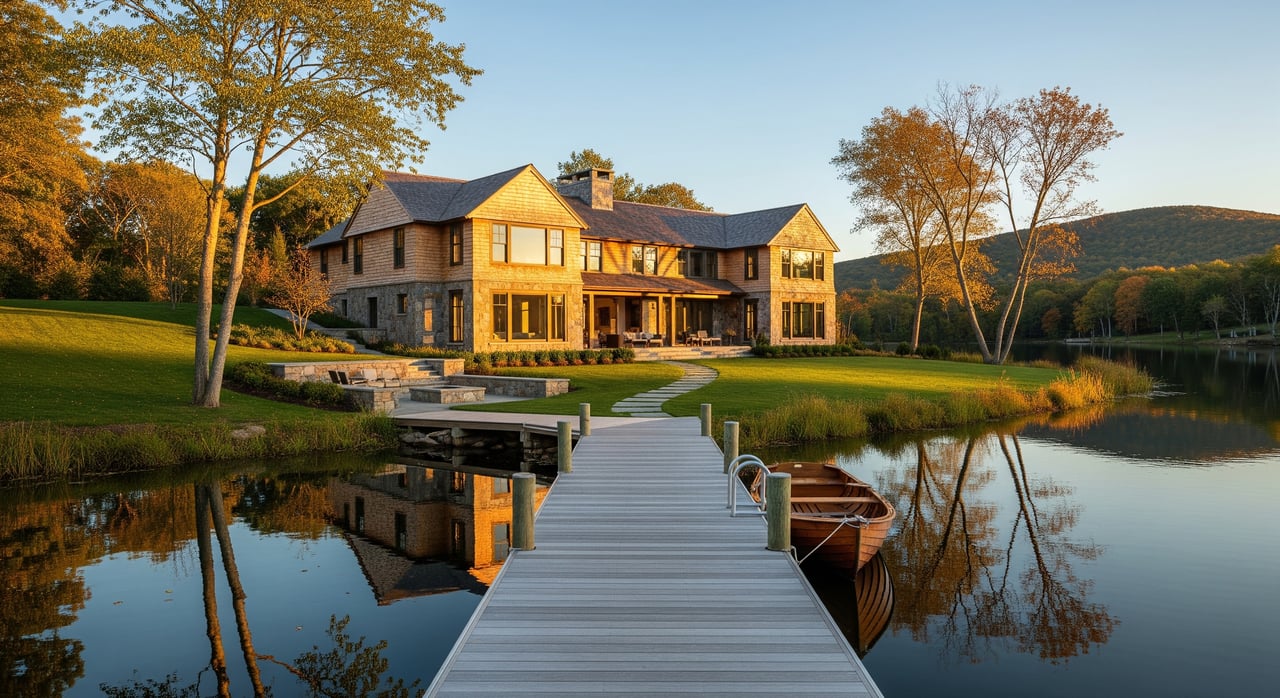
Water at your back door is priceless, but not all waterfronts are valued the same. If you are eyeing a home on Richmond Pond or preparing to sell one, understanding what actually drives value will help you make smarter decisions. In this guide, you will learn the physical features, environmental rules, market trends, and cost factors that most influence pricing for Richmond waterfront homes. Let’s dive in.
Richmond Pond is the town’s key waterfront resource. It spans roughly 218 to 226 acres with an average depth around 18 feet and a maximum depth near 53 feet. The shoreline includes a mix of seasonal and year‑round homes, a town beach, and a public boat ramp. You can explore lake details through the Richmond Pond Association’s overview.
Overall home values in Richmond trend in the low to mid six hundreds based on recent market snapshots. Actual waterfront pricing varies widely by frontage, condition, and improvements. The town’s most recently published residential tax rate is $9.88 per $1,000, which helps you estimate annual carrying costs. You can confirm current figures on the Massachusetts Municipal Association’s Richmond page.
The amount of private shoreline is a major value driver. More linear feet usually means more privacy, better swim and boat access, and more flexible placement for a dock. Deeded or shared access can add value, but direct frontage typically carries the strongest premium.
Buyers value clear water, comfortable swimming areas, and navigable depth. Richmond Pond’s size and depth support swimming, fishing, and small power boats. Invasive plants are present but actively managed, which helps long‑term enjoyment and value. Read about lake conditions and management at the Richmond Pond Association.
Sunset views, southern or western exposure, and open view corridors elevate a home’s appeal. Thoughtful tree trimming and siting, when permitted, can improve view value.
Well‑maintained docks, stairs, terraces, and shoreline stabilization often boost value. Many of these features require permits, so documentation and condition matter. Buyers pay for quality and peace of mind.
Plowed, town‑maintained or well‑organized private roads typically support higher pricing and easier financing. Seasonal or limited access can narrow the buyer pool.
Most shoreline work, including docks, retaining walls, grading, tree removal, and septic projects, is regulated under Massachusetts law and by local conservation commissions. Before planning improvements, review guidance from MassDEP on protecting wetlands in Massachusetts and consult the Town of Richmond conservation commission.
Richmond Pond is treated as a great pond, which means there is a balance between private riparian rights and the public interest. Lake stewardship, including invasive plant control and runoff management, supports long‑term property values. Learn more about ongoing efforts in the lake management history.
Lenders may require flood insurance if a property is in a Special Flood Hazard Area. Always check the FEMA Map Service Center for a parcel‑specific FIRMette to verify current status. Start with the FEMA Map Service Center and the latest FEMA flood map updates.
Septic system condition is central around any lake. Historic issues at Richmond Pond prompted sewer connections in some areas, and older septic systems were decommissioned where hookups occurred. Ask for Title V inspection reports and any sewer connection or betterment records. The lake management page offers context on past water‑quality improvements.
Richmond attracts a mix of year‑round residents, second‑home buyers from the Boston and New York regions, and remote or hybrid workers seeking a lake lifestyle near Berkshire cultural amenities. Broader trends have supported interest in scenic small‑town markets in recent years, as reported by local and national outlets such as Axios.
Price bands are wide. Modest cottages can trade in the lower hundreds of thousands, while renovated or larger waterfront homes can approach or exceed seven figures, depending on frontage, condition, and improvements. A practical way to gauge value is to compare recent closed waterfront sales to similar inland homes to estimate a local waterfront premium. Your exact premium depends on frontage length, usable shoreline, dock quality, and turn‑key condition.
If you are weighing a purchase or planning a sale on Richmond Pond, expert guidance can protect your time and your bottom line. For tailored advice, market‑ready presentation, and hands‑on transaction management, connect with Paula McLean Realtors.

August 13, 2026
August 13, 2026

August 6, 2026

July 23, 2026
July 16, 2026
July 9, 2026

July 2, 2026

June 25, 2026

June 18, 2026
We hold our client's interest first and foremost, whether you are shopping for your first home, looking to downsize, seeking a larger home, or relocating. We are diligent, knowledgeable, proficient, and ready to help you with your next move!